Why the Lion Couldn’t Cross the Road
While orangutans of Southeast Asia and desert tortoises of Southern California may be very different animals, they face one very familiar threat: roads. Fragmentation of wildspaces threaten animal populations worldwide, fracturing critical habitat as land gets developed and concrete is poured. Roads form a major culprit to this fragmentation, a great means of travel from one point to another for us but a significant barrier to natural travel routes used by wildlife for thousands of years.
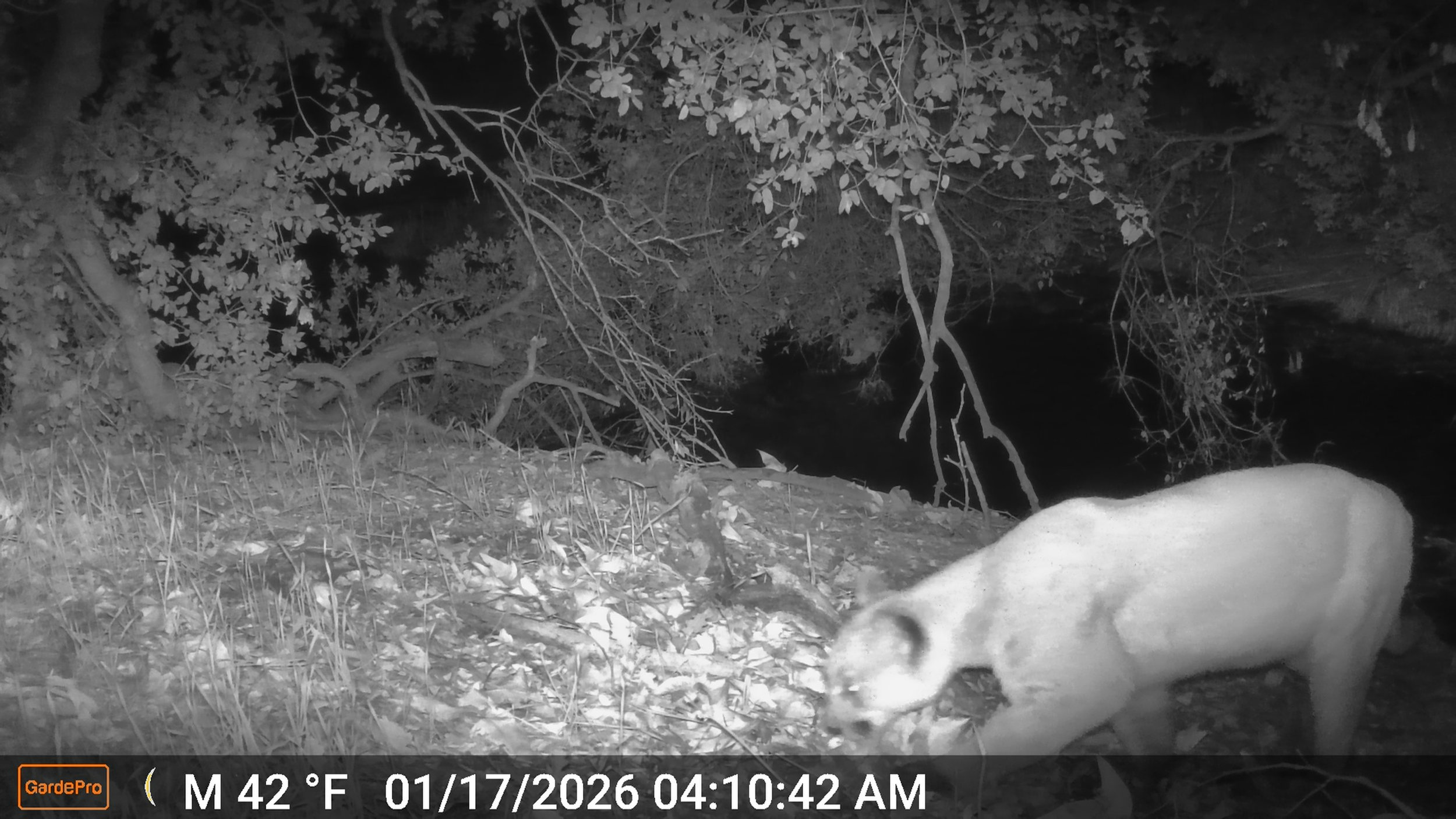
As roads pop up where animals roam, car strikes become inevitable. The resulting roadkill is a common sight along roadways. You’ve likely seen a struck animal in the past month, on your morning commute or your way to school. Oftentimes these are smaller animals that have adapted to use resources in human developed areas. But what about when the victim is larger, endangered and simply trying to move to the next forest? This is the story of mountain lions in southern California, large carnivores that must make do with habitats surrounded by cities. While no fences keep mountain lions contained to places such as the Santa Monica mountains, paved roads effectively produce the same effect. Restricting, sometimes fatally, adult animals from naturally traversing great distances within large home ranges and younger lions seeking to leave their mothers territory to establish their own. Creating a bottleneck as genetic variation within an area is drastically reduced.
Wildlife crossings are one way to address the issue, gaining popularity with success across the globe. From overpasses in Montana that have reduced car strikes affecting the recovering grizzly bear population, to ladder bridges for the annual crab migration on Christmas Island.
However, bridges aren't the only solution to get around roadways. If you can’t go over them here is also the option to go under with structures such as culverts. Tunnels that help preserve river systems a road would otherwise sever, allowing fish, amphibians and aquatic mammals the ability to move through the watershed unobstructed. Even canopy bridges are possible so species can remain in the trees to cross roads in heavily forested areas. Animals of all varieties can and will benefit from such projects as more
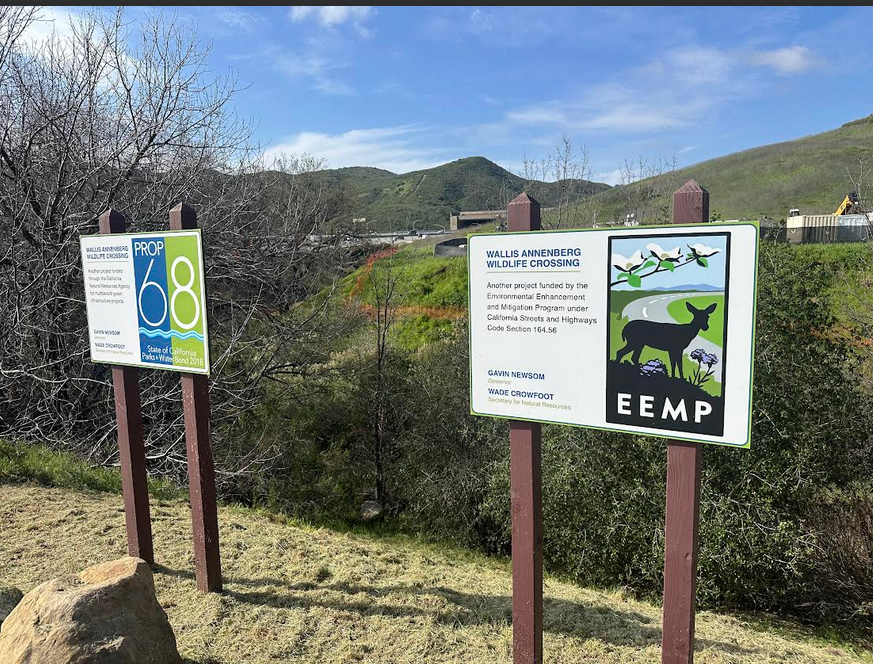
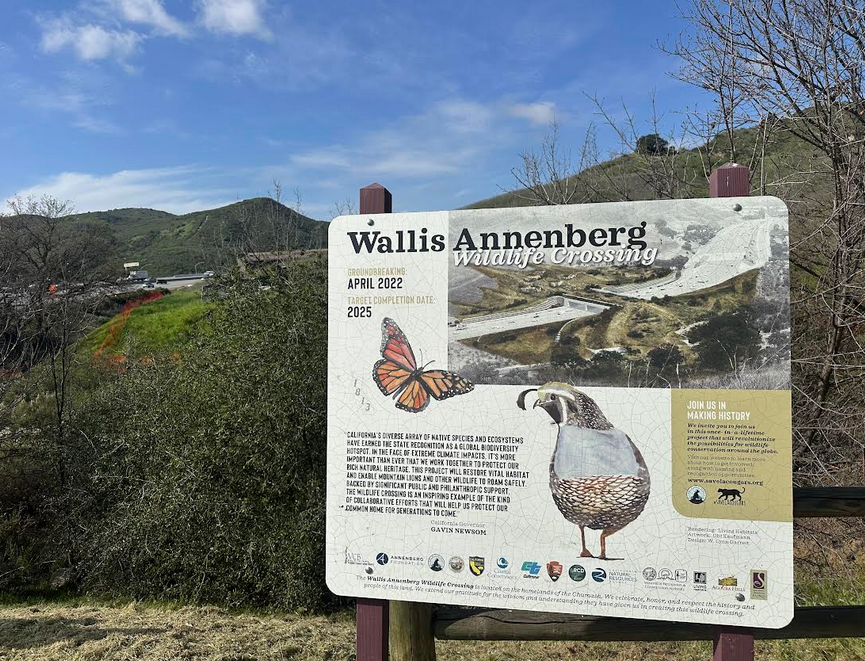
In our backyard, Ventura County has its own wildlife overpass under construction, the Wallis Annenburgs Wildlife Crossing in Augoura Hills. Set to become the largest in the world when completed, bridging the gap of existing habitats and allowing large mammals with a safe way to sidestep the wide 101 freeway. Creating a safer situation for wildlife and motorists.
Interested in learning more about wildlife crossings and road ecology? Join us next month as GVP will be hosting Trails and Tales: An Environmental Book Club! Together we will dive deeper into the impacts of roads on wildlife with Crossings by Ben Goldfarb!