
Leadership Lessons from Nature: Becoming a Keystone Leader
When we think of leadership, we often picture someone standing in front of a crowd, giving directions or making important decisions. While those are valuable leadership skills, nature offers another perspective. Some of the most influential organisms in the natural world aren't the biggest, fastest, or strongest - they are keystone species. A keystone species plays such an important role in its ecosystem that its presence helps countless other plants and animals survive and thrive. According to Scott Hutcheson (2025), leaders can learn valuable lessons from these species because true leadership is about creating the conditions for others to succeed.
Young people have the same potential. Just as keystone species shape healthy ecosystems, youth can become keystone leaders by protecting the environment, inspiring others, and creating communities where both people and nature flourish.
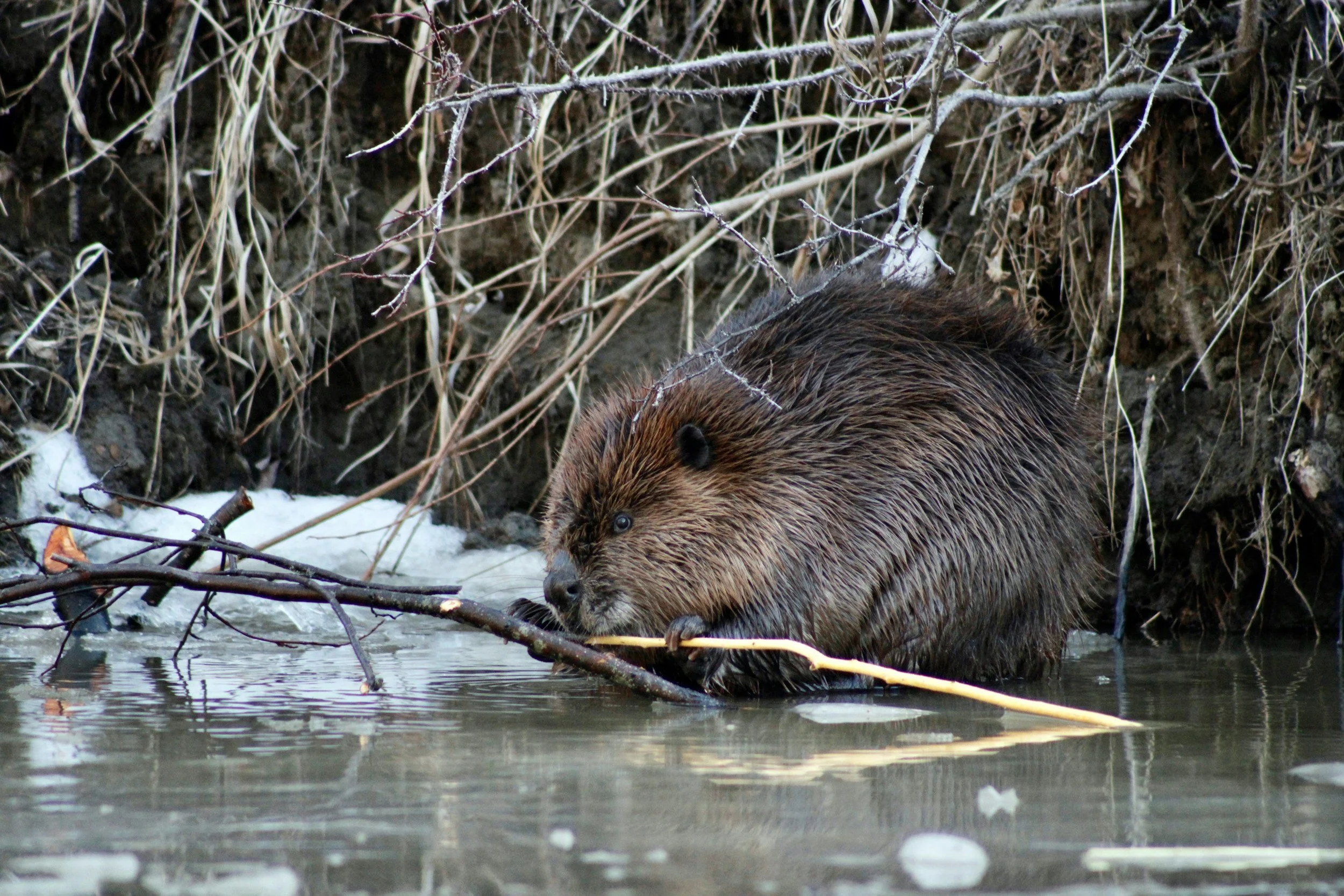
One of the best examples of a keystone species is the beaver. Although small in size, beavers dramatically transform their environment by building dams that create wetlands. These wetlands provide clean water, reduce flooding, improve water quality, store carbon, and create habitat for hundreds of species, from fish and amphibians to birds and insects. The beaver's work benefits far more than itself.
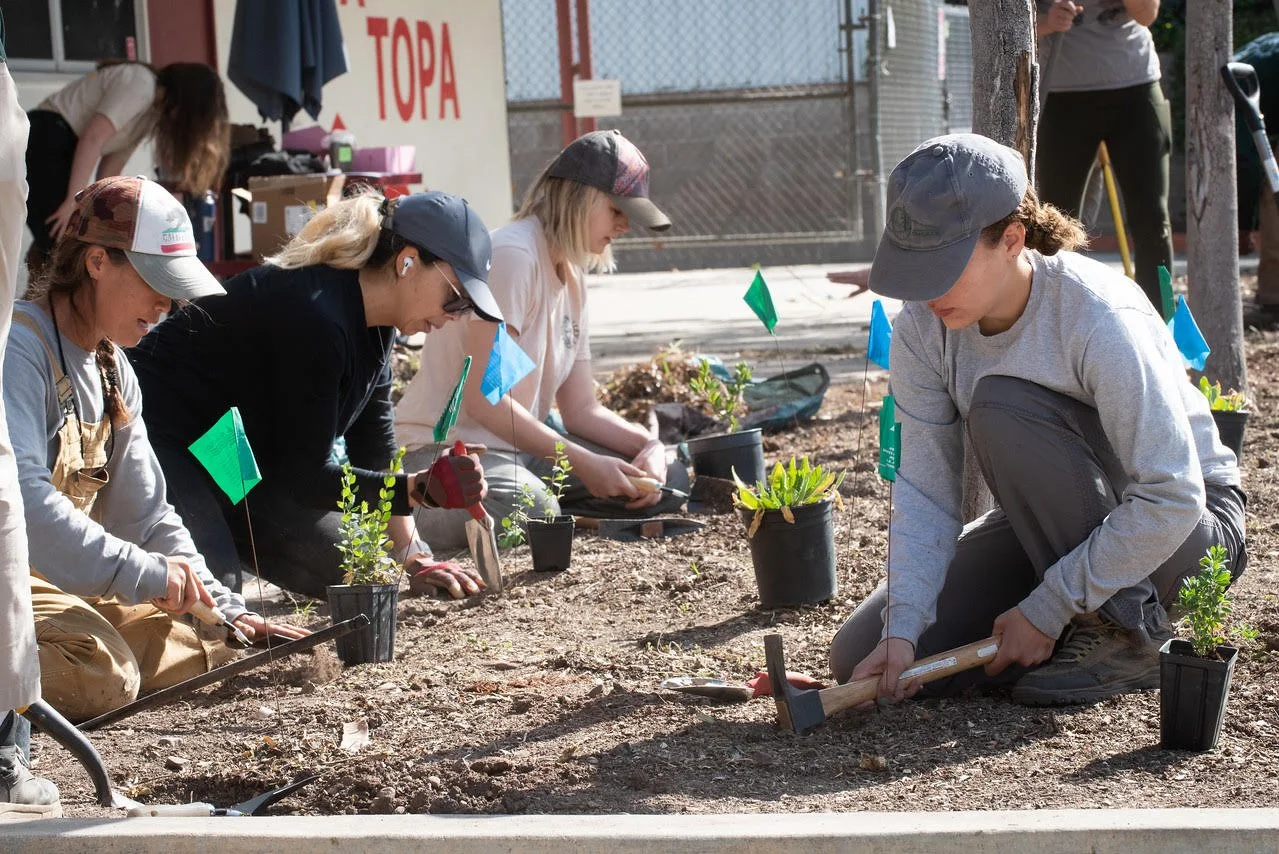
Environmental leaders can follow the beaver's example by building projects that create lasting positive change. Planting native gardens, restoring wildlife habitats, organizing park cleanups, or educating others about conservation are all ways young people can improve their communities. Like the beaver, great leaders don't simply complete a task—they create opportunities that continue benefiting others long after the work is finished.
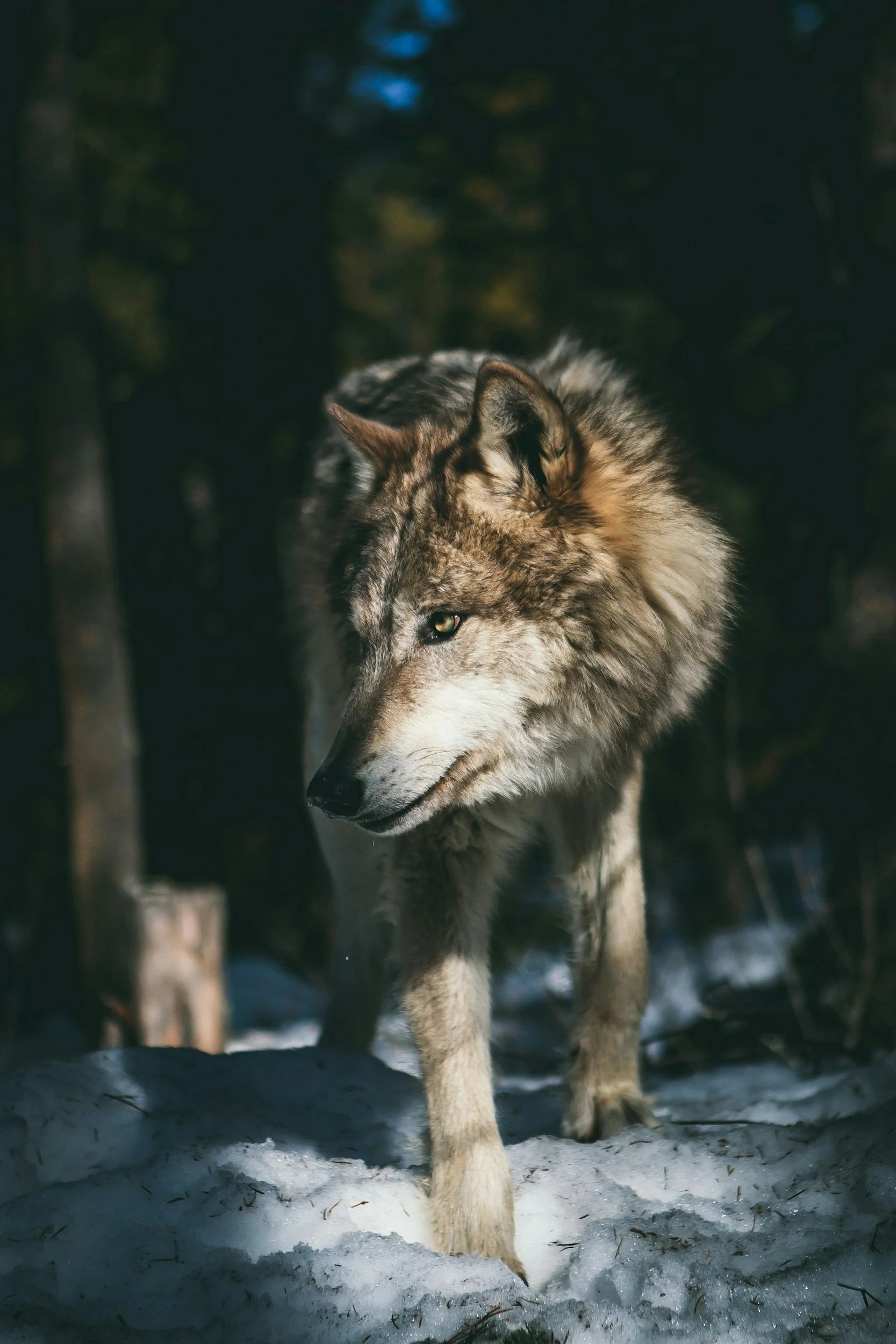
Another keystone species that teaches us about leadership is the wolf. Wolves help maintain balance within an ecosystem by keeping prey populations healthy. This prevents overgrazing, allowing forests, grasslands, and riverbanks to recover. As plants return, so do birds, insects, beavers, and countless other wildlife. A single species can influence an entire landscape by maintaining balance.
Leadership requires that same sense of balance. Environmental challenges cannot be solved alone; they require teamwork, communication, and trust. Strong youth leaders know when to step forward to organize a project and when to step back so others can share their ideas and strengths. They listen carefully, encourage collaboration, and recognize that everyone has something valuable to contribute. By creating balance within a group, leaders help everyone succeed together.
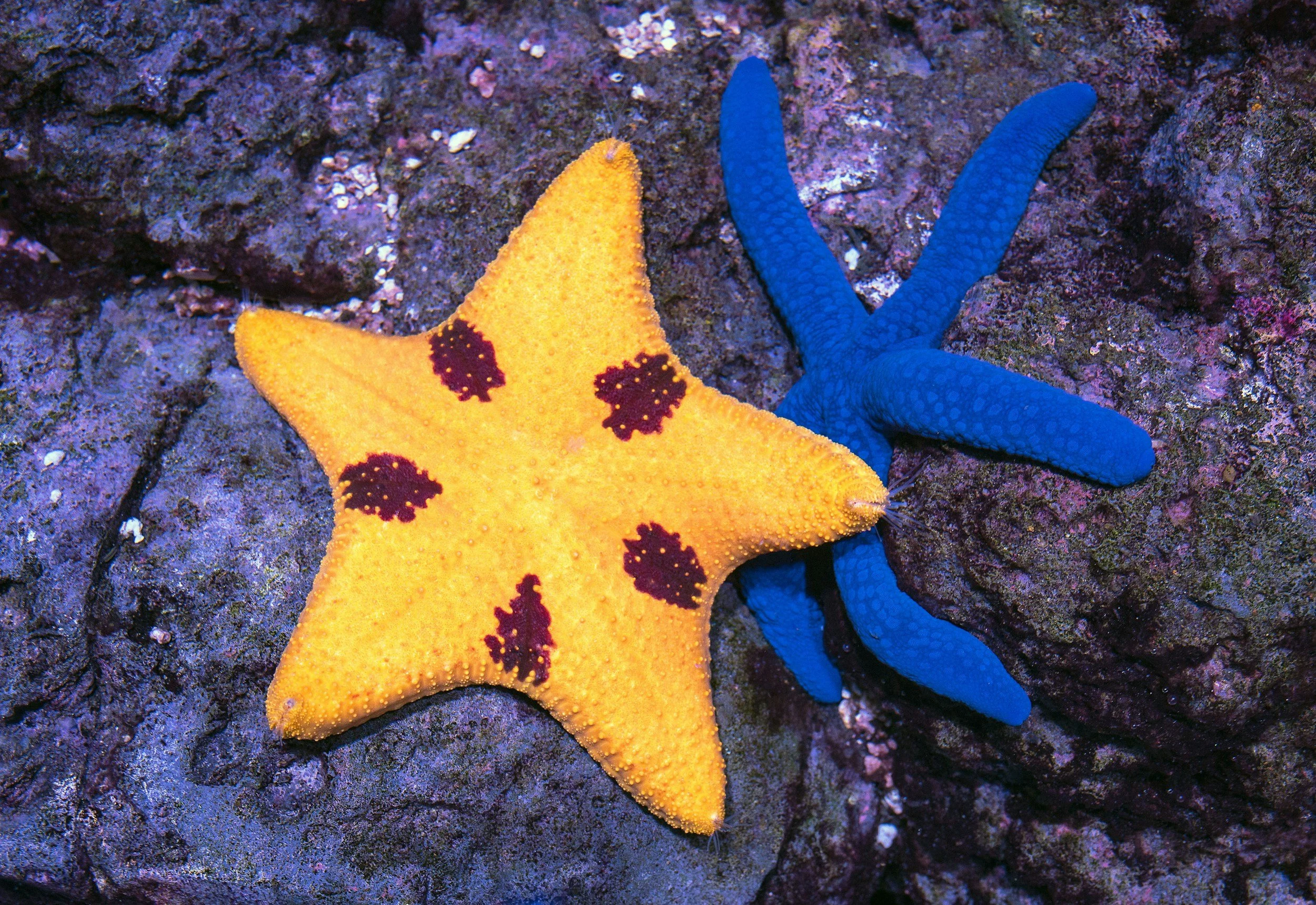
The sea star offers another important lesson. Along rocky coastlines, sea stars prevent mussels from taking over the ecosystem. By keeping one species from dominating, they allow many different plants and animals to share the same habitat. Their role demonstrates that healthy ecosystems depend on biodiversity.
Communities thrive in much the same way. Every person brings different experiences, talents, and perspectives that make a team stronger. Some people enjoy speaking in front of groups, while others excel at planning, designing, building, or solving problems. Environmental leaders recognize these differences as strengths. They create spaces where everyone feels welcome, respected, and empowered to contribute. When every voice is heard, teams become more creative, resilient, and capable of solving complex environmental challenges.
The greatest lesson nature teaches us is that leadership is not about power or recognition. It is about service. Like a keystone species, a true leader creates the conditions for others to grow. They inspire action, strengthen their community, and leave the environment healthier than they found it.
Every restoration project, every native tree planted, every cleanup organized, and every conversation about protecting our planet creates a ripple effect. One person's actions inspire another, and together those actions become a movement. Young people do not have to wait until they are older to make a difference. By acting with curiosity, compassion, and a commitment to caring for the natural world, they can become the next generation of keystone leaders helping both ecosystems and communities thrive for years to come.
Reference
Hutcheson, S. (2025, January 7). Leadership lessons from beavers, wolves, and sea stars. Forbes. https://www.forbes.com/sites/scotthutcheson/2025/01/07/leadership-lessons-from-beavers-wolves-and-sea-stars/